
Reflect: behaviour intervention for secondary school pupils
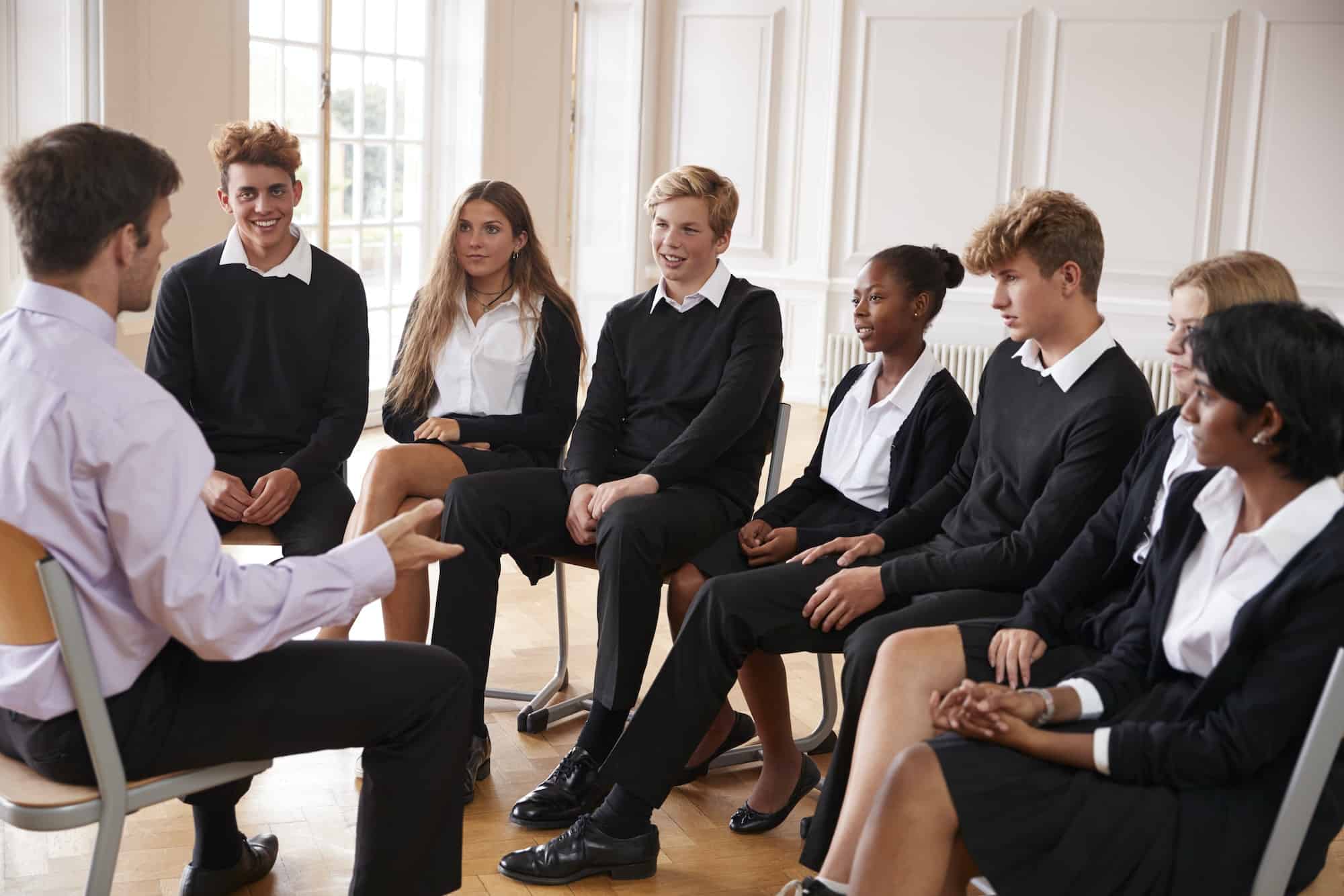
Reflect is a behaviour intervention designed for secondary school students at risk of exclusion. Through games and interactive activities, participants reflect on their past conflict behaviours, explore personal triggers, and learn practical tools to stay calm and communicate better.
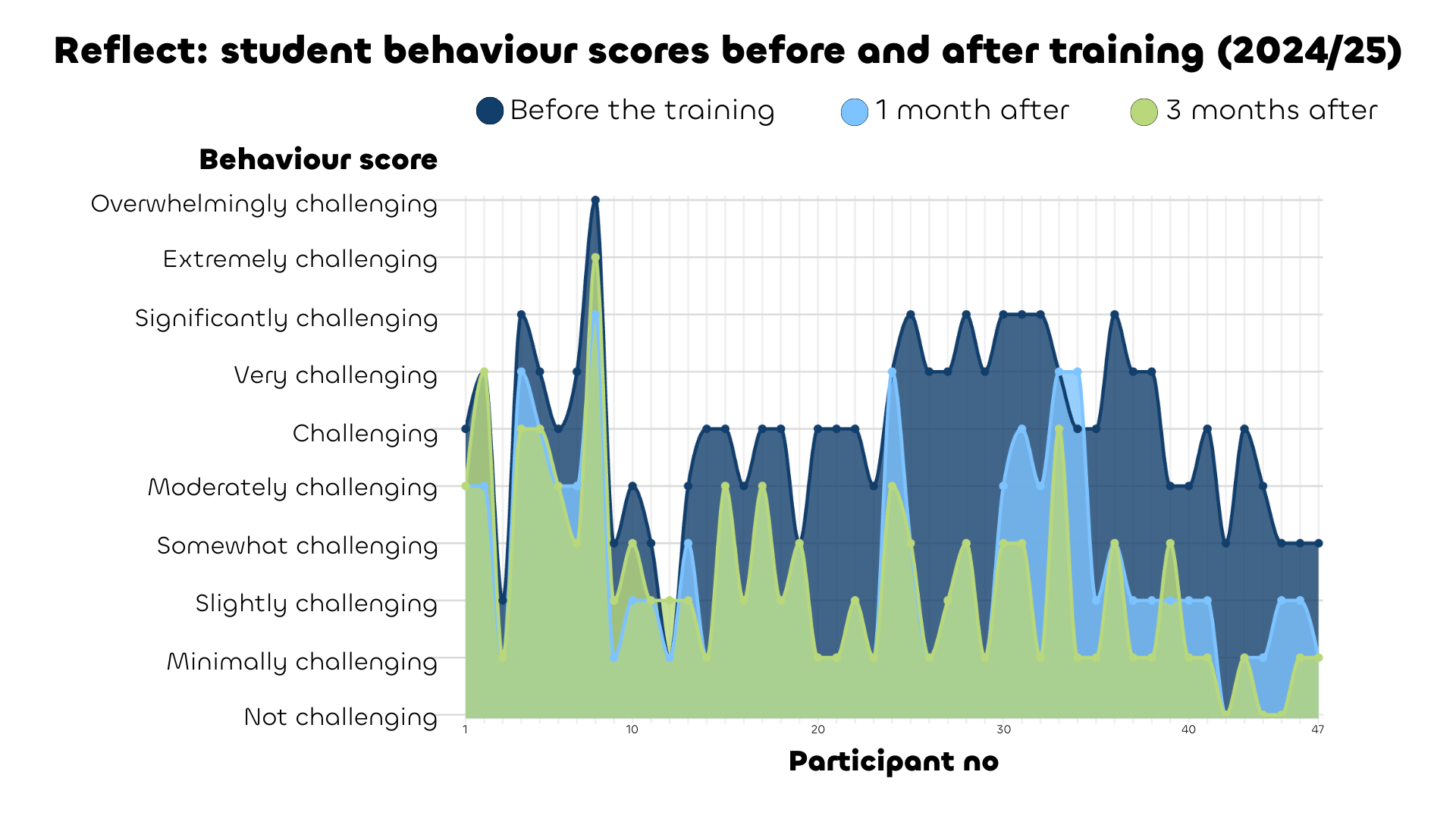
Over 90% of participants we've worked with in the 2024/25 academic year showed behavioural improvement post-training.
Reflect is a unique programme, unlike any in the UK. It is fully games-based, fun, and SEN-friendly.
About Reflect
Reflect is a games-based emotional regulation and conflict skills training for young people in secondary schools, designed to improve their behaviour and chances of staying in education.
Reflect has this name because there is a lot of self-reflection involved. Participants look within and practise different behaviours. It combines over 47 adaptable activities with games and theory, all woven together to meet the needs and mood of the groups.
WMS is an award-winning training provider and has been running Reflect in schools and PRUs since 2012.
In 2024, WMS won the Innovation award at the National Mediation Awards for our innovative training courses.
Why choose Reflect?
Helping the most vulnerable
Reflect is designed for young people with behavioural issues, who often come from vulnerable groups. In 2024/25, amongst the 75 students we worked with:
Proven Results
Some of the schools we’ve worked with



Format
Six 90-minute workshops in small groups of 10 pupils maximum, usually conducted on a weekly basis, with check-in sessions pre- and post-training.
Some of the topics covered:
- Understanding that all feelings are ok, but not all behaviours are.
- Recognising own and other people’s feelings.
- What makes conflict worse and how to de-escalate it.
- How to listen to others and express yourself so you can be heard.
- Anger management exercises.
- Recognising personal conflict triggers and behaviours.
- Practising feeling good about yourself.
“Our experience of the WMS is that they are professional and committed. The ’Reflect’ behaviour intervention programme has reduced the number of behaviour incidents in schools where it has been implemented and allowed young people to better regulate their behaviour and emotions.”
“Malik”’s story
Case study“Malik” acted as a peacemaker several times and recognised moments where he de-escalated conflict. He felt proud of his improved choices and is now on a lower report level, after briefly being escalated.
Participants
16–20 students total, selected by the school as those who find it hard to manage their reactions in conflict situations.
We can run the course for years 7–11, although most commonly we are asked to run the course for years 8 and 9.
To build rapport, we work with students in smaller groups. We run two separate 10-person group sessions one after another, facilitating both in a single day.
Participants say
“I used to get in arguments before a lot, and now it's very rare. So thank you.”
“It gives you something to look forward to each week if you struggle at school. It's like motivation.”
“I learned how to deal with our emotions and not go straight to anger.”
“Violence is not the answer - this is what I learnt.”
Costs
The programme is usually funded by the school directly or through grants and donations.
When we have sufficient external funding, we offer it to state schools at no cost. If you’re interested, get in touch and we’ll talk through options for your school.
“We are exceptionally proud to have funded WMS to deliver the incredible Reflect programme. The results that WMS have achieved are nothing short of remarkable.”
Schools say
“We’ve seen fewer incidents of poor behaviour, and when there has been an issue they’ve demonstrated a level of maturity that wasn’t there before.”
“...helped some key pupils manage their anger and feelings in a sustainable way. As a result, [they’ve] shown less negative behaviour in school and therefore receive fewer sanctions.”
“...two high-profile students really stood out - one even came off report. He said to me, “I’m a changed man, I’m a changed man!””